
US Treasury Targets Crypto Exchange Allegedly Funneling Bitcoin to Iran's Military Operations
The U. S.
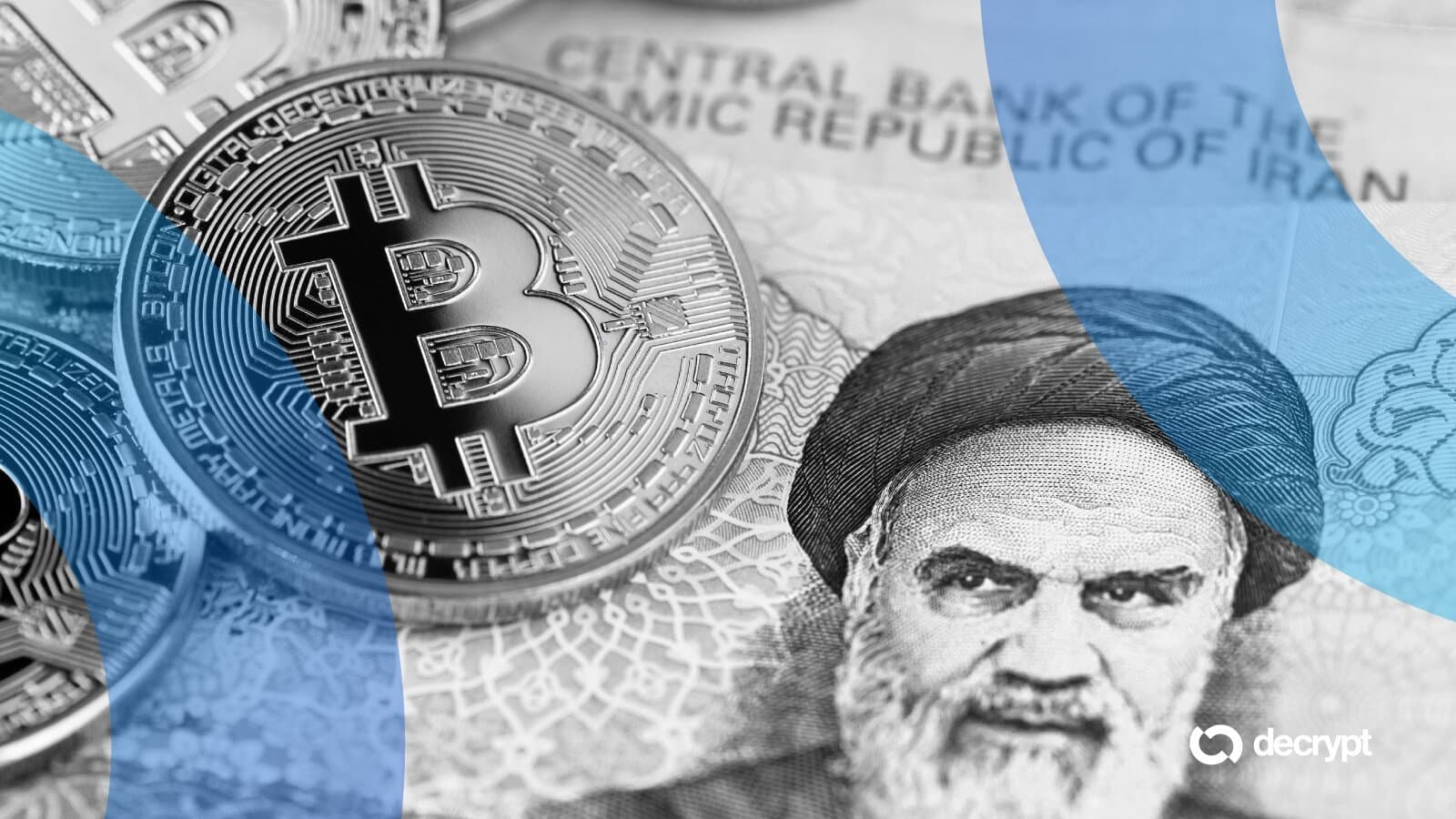
The U.S. Treasury Department's Office of Foreign Assets Control (OFAC) has sanctioned BitBank, a cryptocurrency exchange accused of processing hundreds of millions of dollars in Bitcoin for Iran's Islamic Revolutionary Guard Corps (IRGC) over a two-month period.
This enforcement action signals Washington's escalating focus on how state actors exploit crypto infrastructure to circumvent traditional financial sanctions. The Treasury's investigation revealed that BitBank facilitated substantial digital asset transfers connected to Iran's maritime operations in the Persian Gulf, specifically activities linked to the Strait of Hormuz.
The Sanction Details
According to OFAC's findings, the exchange processed cryptocurrency transactions worth hundreds of millions of dollars in Bitcoin flowing to entities controlled by the IRGC. The two-month window examined by Treasury investigators captured a critical period of alleged financial activity that authorities tied to Iran's military operations and revenue-generation schemes targeting international shipping.
BitBank's role in this scheme underscores a persistent challenge for crypto market intelligence professionals: identifying which exchanges operate with adequate compliance infrastructure versus those that become convenient conduits for sanctioned actors. The Treasury's action adds BitBank to a growing list of crypto platforms facing U.S. enforcement due to insufficient know-your-customer (KYC) and anti-money laundering (AML) controls.
Why This Matters for Traders and Investors
For anyone conducting serious crypto analysis, this sanction carries three critical implications. First, it demonstrates that OFAC actively monitors blockchain activity and can trace Bitcoin movement with sufficient sophistication to build enforcement cases. Second, it reveals how geopolitical tensions directly impact crypto market infrastructure—exchanges operating in gray zones face sudden shutdown risk. Third, it highlights that even established cryptocurrency platforms aren't immune if compliance teams fail to catch red flags.
The Bitcoin transactions detected weren't hidden through complex mixing protocols or privacy coins. They moved openly on the blockchain, yet BitBank's compliance team apparently missed connection patterns linking the wallets to known IRGC entities. This gaps in execution suggests other exchanges may harbor similar vulnerabilities.
Broader Regulatory Implications
This enforcement action follows Treasury's previous crackdowns on crypto platforms facilitating sanctions evasion. The pattern is clear: OFAC possesses both the technical capability and political mandate to identify which exchanges inadequately screen for illicit activity. Compliance departments across the crypto industry should expect scrutiny intensifying.
For portfolio managers, the BitBank sanction reinforces why due diligence on exchange partners remains non-negotiable. Transacting through platforms without robust compliance infrastructure creates counterparty risk that no trading opportunity justifies.
The Treasury's action also confirms that cryptocurrency, despite its decentralized ethos, operates within a regulatory framework that enforcement agencies actively police. Bitcoin's immutable ledger—often marketed as privacy-protecting—actually creates a permanent audit trail that Treasury's blockchain analysts routinely exploit.
Alpha Take
OFAC's BitBank action demonstrates that even substantial Bitcoin flows can't evade detection if the exchange handling them lacks proper compliance. For active traders, this reinforces the unglamorous truth: use regulated platforms with strong KYC/AML protocols. The cryptocurrency market's maturation increasingly depends on infrastructure that supports, rather than circumvents, regulatory frameworks—and enforcement actions prove non-compliance carries terminal consequences for exchange operations.
Originally reported by
Decrypt
Not financial advice. Crypto investing involves significant risk. Past performance does not guarantee future results. Always do your own research.