
Vatican's AI Manifesto: Pope Leo Declares Data a Public Asset, Rejects Tech's Moral Vacuum
The Catholic Church just dropped a 245-paragraph bombshell on the tech industry. Pope Leo's first AI encyclical frames data as a collective good—not corporate property—and dismantles the convenient fiction that technology operates in a moral gray zone.
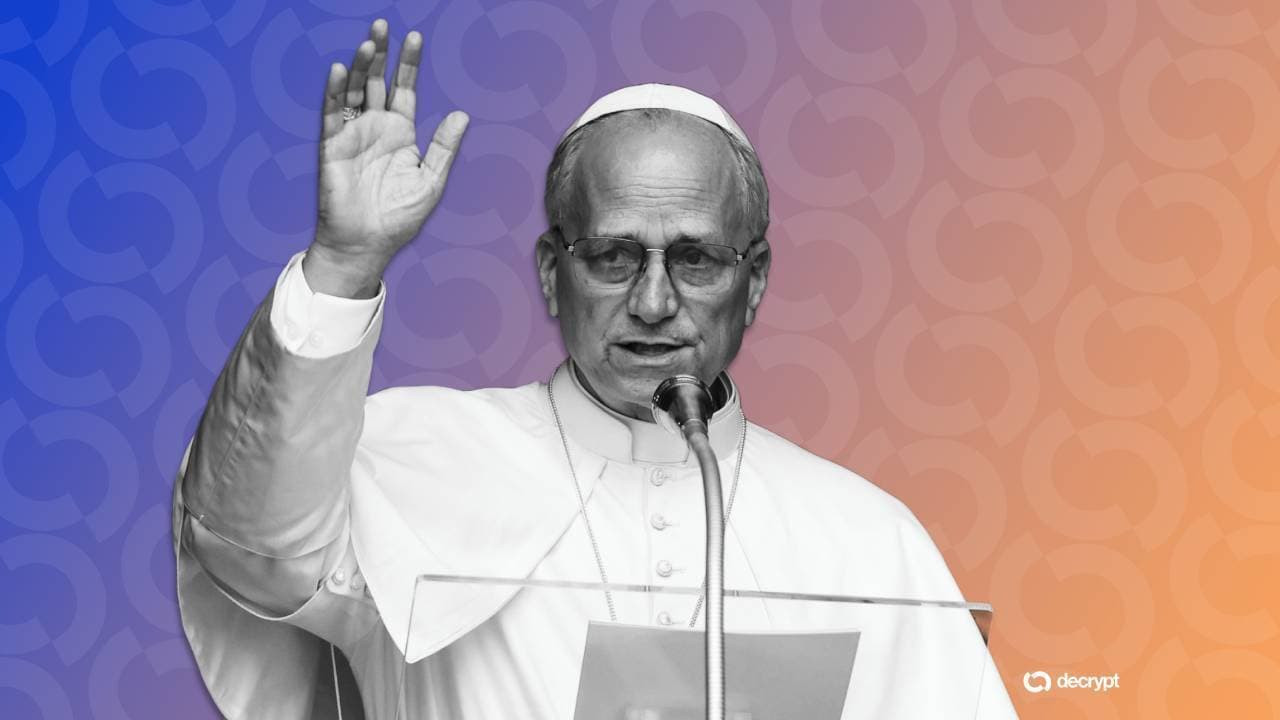
The Catholic Church just dropped a 245-paragraph bombshell on the tech industry. Pope Leo's first AI encyclical frames data as a collective good—not corporate property—and dismantles the convenient fiction that technology operates in a moral gray zone.
Here's what matters: The Vatican presented this doctrine alongside Christopher Olah, Anthropic's co-founder, whose company is currently locked in litigation with the Trump administration over military applications of AI. The timing isn't accidental.
The Core Argument
Pope Leo's encyclical rejects what we'd call the tech industry's favorite escape hatch: the claim that algorithms and AI systems are morally neutral tools. The document's 245 paragraphs systematically dismantle this position, arguing instead that every deployment of artificial intelligence carries ethical weight. This matters because it directly challenges the narrative Silicon Valley has pushed for decades—that innovation itself is separate from its consequences.
The declaration of data as a "common good" is the real pivot point here. Rather than treating personal and collective data as a tradeable commodity that corporations can extract and monetize, the Church is asserting that information about people belongs to humanity collectively. This reframes the entire conversation around privacy, surveillance capitalism, and who owns the insights generated from our digital footprints.
Where Anthropic Fits In
The presence of Olah signals something crucial for crypto traders and blockchain investors watching this space: major AI companies are actively positioning themselves against certain government applications of their technology. Anthropic's lawsuit against the Trump administration over military AI use isn't just legal theater—it's a public stance that carries institutional weight when the Vatican co-signs it.
For crypto market intelligence purposes, understand this: regulatory pressure on AI is coming from multiple directions simultaneously. Religious institutions, corporate leadership, and government actors are all colliding in real-time over how AI gets deployed and governed.
What This Means for Markets
The encyclical's framing of data as a common good creates philosophical groundwork for potential future regulation that could reshape how platforms operate. It's not immediate policy, but it's the ideological foundation for it. When 1.3 billion Catholics' spiritual leader declares that data shouldn't be privately owned, that narrative carries downstream effects in legislative chambers worldwide.
For blockchain and crypto investors, this intersects directly with your portfolio concerns. Decentralized data ownership models, tokenized information systems, and alternatives to centralized data extraction suddenly have institutional moral support. The Vatican just provided a powerful argument for why distributed systems might be preferable to traditional corporate platforms.
Alpha Take
Pope Leo's encyclical crystallizes a growing consensus that tech's "moral neutrality" defense is collapsing. The alignment between Catholic doctrine and Anthropic's legal positions against military AI applications signals that regulatory and institutional pressure on how AI gets deployed will intensify. For crypto analysis and trading strategy, this validates the long-term thesis around decentralized alternatives to centralized data platforms—institutional backing for data sovereignty is hardening into doctrine.
Originally reported by
Decrypt
Not financial advice. Crypto investing involves significant risk. Past performance does not guarantee future results. Always do your own research.