
Vatican Warns AI Art Lacks the "Spark of Humanity" As Church Seeks Creative Alliance
The Pope just delivered a reality check on artificial intelligence that goes beyond typical crypto and blockchain discourse—and it's got implications for how we think about digital assets and NFTs in the creator economy. His Holiness expressed serious reservations about algorithm-generated art, ar
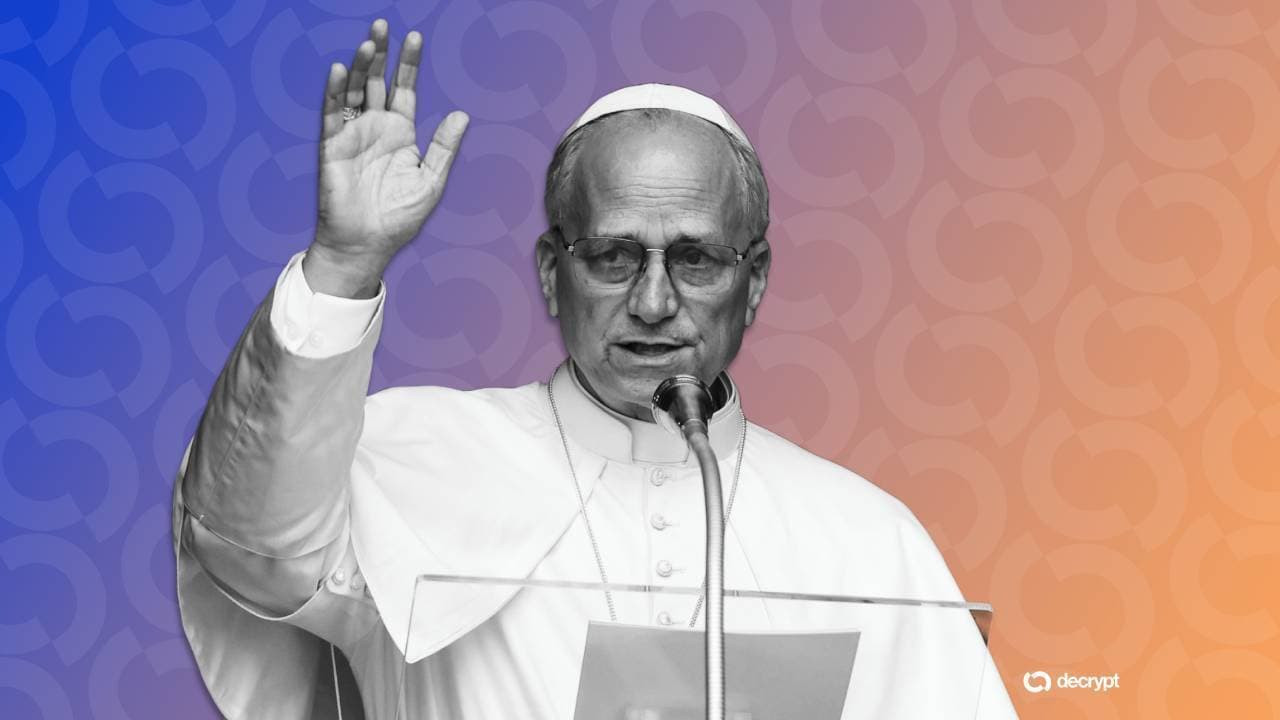
The Pope just delivered a reality check on artificial intelligence that goes beyond typical crypto and blockchain discourse—and it's got implications for how we think about digital assets and NFTs in the creator economy.
His Holiness expressed serious reservations about algorithm-generated art, arguing that AI creations fundamentally lack what he calls "the spark of humanity." The Vatican's position cuts to something traders and portfolio managers should understand: authenticity matters when evaluating emerging asset classes, especially in the digital art and NFT markets that have exploded over the past few years.
The Vatican's Stand on AI-Generated Content
The pontiff's critique represents an institutional pushback against the automation narrative that's dominated tech and crypto circles. While blockchain technology itself remains neutral on these philosophical questions, the Vatican's stance signals that human creativity—the kind backed by verifiable provenance and human intention—carries distinct cultural and economic value.
The Church isn't just complaining. The Vatican is actively working to rebuild alliances with artists and cultural institutions to preserve what they see as authentically human artistic expression. This institutional response matters because it shapes cultural sentiment around digital assets. When major institutions like the Catholic Church take positions on AI versus human creativity, it influences collector behavior, market demand, and the long-term valuation of NFTs and digital art portfolios.
What This Means for Crypto and Digital Assets
For investors tracking the crypto and digital art markets, the Pope's commentary highlights a growing tension: the crypto space has been enthusiastic about democratizing art creation through NFTs and smart contracts, but there's emerging pushback about the quality and authenticity of algorithmically-generated works.
We've seen this play out in the market already. NFT projects that emphasize genuine artistic vision and human creativity command premium valuations compared to algorithmic art generators. The market is already pricing in what the Vatican is articulating—that scarcity and human intention create value that algorithms alone cannot replicate.
The Vatican's renewed focus on protecting human-made art represents institutional validation of something crypto-native creators have long understood: provenance and authenticity drive economics in digital markets. When a blockchain records that a piece was created by a specific artist, that immutable record becomes more valuable than an identical-looking image generated by an AI model.
Alpha Take
The Pope's critique of AI art isn't just philosophy—it's a market signal. As major cultural institutions align against purely algorithmic content, we're likely to see investor preference strengthen for NFTs and digital assets tied to verifiable human creators. Watch the premium commanded by authenticated artist-created work versus AI-generated alternatives as a key metric. This institutional positioning could reshape digital art valuations and create trading opportunities in portfolios weighted toward provenance-verified crypto assets.
Originally reported by
Decrypt
Not financial advice. Crypto investing involves significant risk. Past performance does not guarantee future results. Always do your own research.