
Warren Challenges Federal Bank Charters for Crypto Companies—Calls Approvals Illegal
Senator Elizabeth Warren is escalating her fight against crypto's integration into traditional banking infrastructure. In a strongly worded letter to the Comptroller of the Currency, Warren argues that nine national trust bank charter approvals granted to cryptocurrency firms—including major player
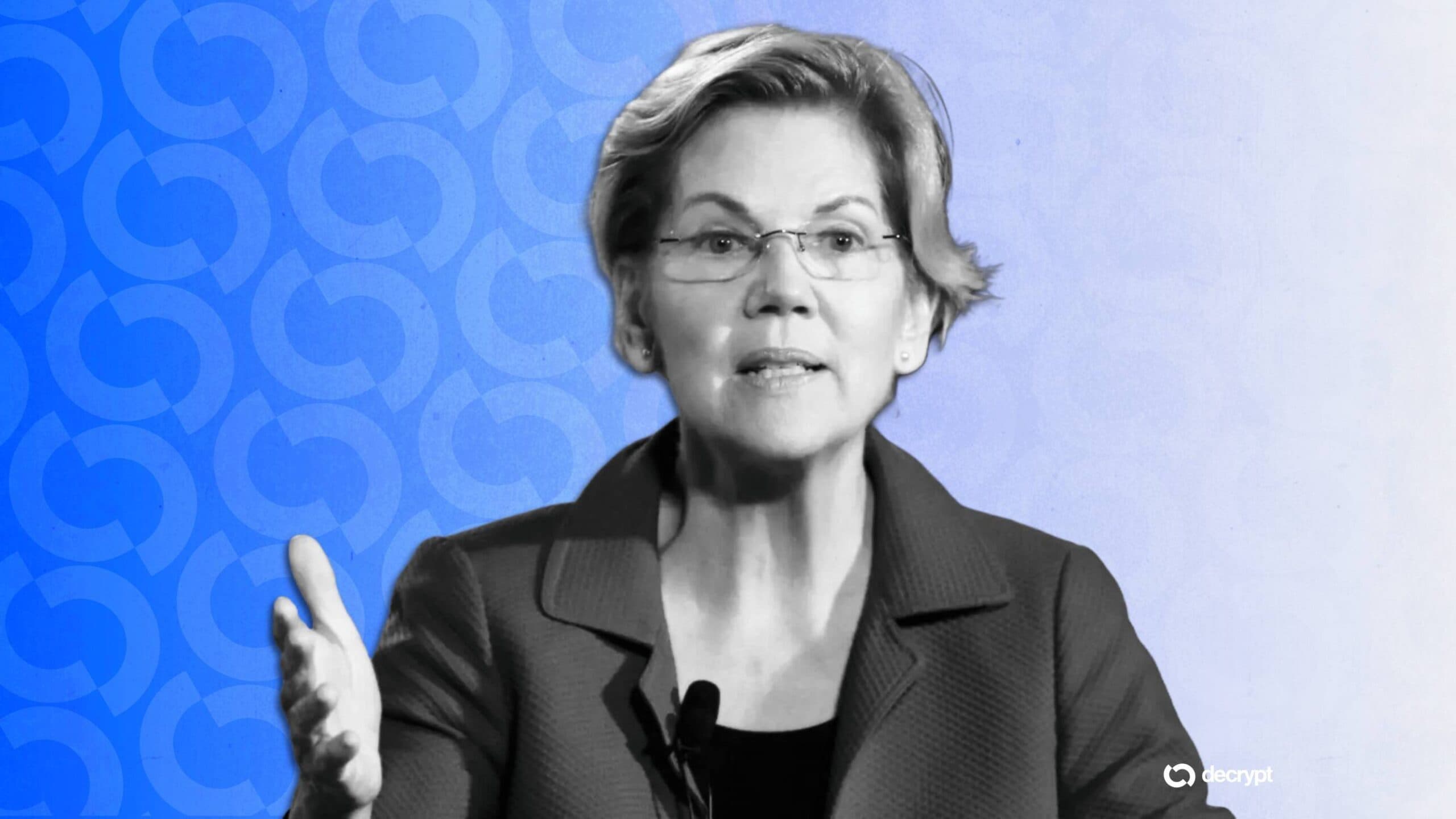
Senator Elizabeth Warren is escalating her fight against crypto's integration into traditional banking infrastructure. In a strongly worded letter to the Comptroller of the Currency, Warren argues that nine national trust bank charter approvals granted to cryptocurrency firms—including major players like Coinbase and Ripple—directly violate the National Bank Act.
This isn't Warren's first shot at crypto regulation, but it signals an intensifying push from Capitol Hill to block what she views as regulatory overreach by banking authorities. The Massachusetts Democrat contends that these charters represent a dangerous back door for crypto companies to access the federal banking system without proper Congressional oversight or adequate safeguards.
The Legal Challenge
Warren's core argument centers on the interpretation of the National Bank Act, which governs which entities qualify for federal banking privileges. She maintains that crypto firms fundamentally don't meet the statutory requirements—and that approving them constitutes an illegal expansion of authority beyond what the law permits.
The letter identifies nine specific charter approvals that Warren believes crossed legal lines. By naming names like Coinbase and Ripple, two of crypto's most prominent companies, Warren is directly challenging the legitimacy of their banking credentials. This isn't theoretical—these charters grant real advantages, including access to Federal Reserve systems and enhanced credibility with traditional financial institutions.
What's at Stake
For crypto companies, these trust bank charters represent a critical pathway to mainstream financial integration. They allow crypto platforms to offer traditional banking services alongside their digital asset operations, bridging two worlds that regulators have historically kept separate.
Warren's challenge strikes at the heart of crypto's legitimacy debate. Does the industry deserve access to traditional banking infrastructure, or does this create systemic risks that justify exclusion? From her perspective, the current approach bypasses democratic processes entirely—financial regulators are making policy decisions that should involve Congress.
The crypto community sees this differently, arguing that banking access shouldn't depend on political opposition. For platforms like Coinbase and Ripple, these charters represent validation and operational necessity, not regulatory capture.
The Broader Regulatory Landscape
This move reflects Warren's consistent skepticism toward crypto, regardless of which political winds are blowing. She's been vocal about potential risks: money laundering concerns, consumer protection gaps, and systemic financial stability questions that she believes federal banking regulators aren't adequately addressing.
The letter also signals that Congressional crypto skepticism remains substantial, even as some regulators move toward more accommodative stances. Warren's action suggests that crypto's regulatory battle isn't simply between the industry and banking authorities—Congress remains a major variable that crypto firms must navigate.
Alpha Take
Warren's legal challenge creates real uncertainty for crypto platforms holding federal trust bank charters. Even if her specific legal arguments don't prevail, the political pressure could trigger regulatory reviews or Congressional scrutiny that slows further charter approvals. For portfolio managers, this highlights the persistent regulatory risk embedded in major crypto market infrastructure plays—legitimacy can be revoked just as quickly as it's granted. Watch how the Comptroller's office responds; their reaction will signal whether crypto's banking integration trajectory is sustainable or vulnerable to reversal.
Originally reported by
Decrypt
Not financial advice. Crypto investing involves significant risk. Past performance does not guarantee future results. Always do your own research.