
Washington Escalates Crypto Crackdown on Iran: Two Exchanges Targeted in Fresh Sanctions Wave
The U. S.
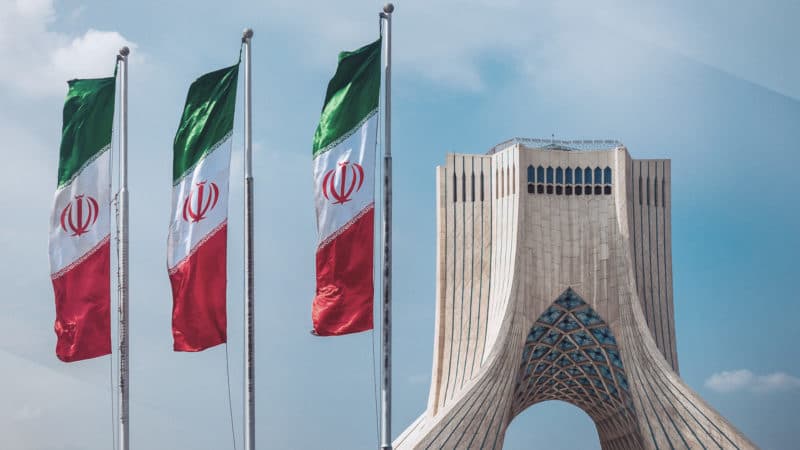
The U.S. Treasury Department has sanctioned two additional Iranian cryptocurrency exchanges, intensifying its enforcement actions against digital asset platforms suspected of facilitating illicit financial flows. The move, part of what officials are framing as an "Economic Fury" campaign, marks another chapter in Washington's ongoing battle to restrict Tehran's access to global financial infrastructure through crypto channels.
The Targets: Shelbit and Beyond
Treasury investigators traced more than $3 million in transfers between Shelbit—one of Iran's largest crypto exchanges—and wallets linked to Iran's Islamic Revolutionary Guard Corps (IRGC). This forensic work formed the evidentiary backbone for the sanctions designation, underscoring how U.S. authorities are increasingly weaponizing blockchain analysis to identify and target illicit activity.
Shelbit's inclusion in the sanctions list represents a significant escalation. The exchange had operated relatively openly within Iran's regulatory framework, processing substantial trading volumes. The discovery of direct IRGC connections, however, transformed it from a nominally civilian platform into a designated target under U.S. sanctions law.
The second exchange targeted in this action remains part of a broader pattern: Washington views Iranian crypto platforms as critical nodes in Tehran's sanctions evasion infrastructure. By systematically dismantling these gateways, the Treasury aims to choke off alternative financial channels that bypass traditional banking restrictions.
The Economics of Enforcement
The $3 million figure, while substantial, likely represents only a fraction of total suspicious flows. Blockchain analysis firms have previously documented significantly larger volumes moving through Iranian exchanges, suggesting that identified transfers may constitute just a visible slice of overall illicit activity.
Treasury officials justified the sanctions under executive authorities targeting Iranian national security threats. The IRGC connection proved decisive—any entity facilitating financial transfers to or from IRGC-linked accounts automatically triggers sanctions exposure under U.S. law, regardless of the stated purpose of those transfers.
Broader Implications for Crypto Markets
This action sends a clear signal to legitimate cryptocurrency exchanges operating internationally: hosting Iranian users or facilitating transactions that could route to sanctioned entities carries severe compliance risk. Major exchanges already restrict access from Iran, but the identification of new platforms suggests enforcement gaps remain.
The "Economic Fury" framing indicates a sustained commitment from Treasury to cryptocurrency enforcement. Previous rounds of Iranian sanctions have focused on oil exports and banking channels; crypto represents an emerging frontier where Treasury sees both opportunity and vulnerability in Tehran's financial armor.
For portfolio managers tracking geopolitical risk, Iranian sanctions actions have traditionally preceded broader market-moving policy announcements. The regulatory intensity here warrants monitoring for potential spillover effects on crypto market access more broadly.
Alpha Take
Treasury's systematic targeting of Iranian crypto infrastructure demonstrates that regulatory enforcement is evolving beyond simple OFAC listings—they're now weaponizing blockchain forensics to trace and sanction platforms based on transaction patterns. If this enforcement intensity expands to other jurisdictions or threat designations, expect increased compliance costs for decentralized finance platforms and pressure on privacy-focused crypto projects. Watch for secondary effects: major exchanges may tighten Iranian user restrictions further, potentially accelerating adoption of peer-to-peer trading channels.
Originally reported by
The Block
Not financial advice. Crypto investing involves significant risk. Past performance does not guarantee future results. Always do your own research.