
Washington Expands Financial Arsenal: Crypto Now Fair Game for Iran Sanctions
The U. S.
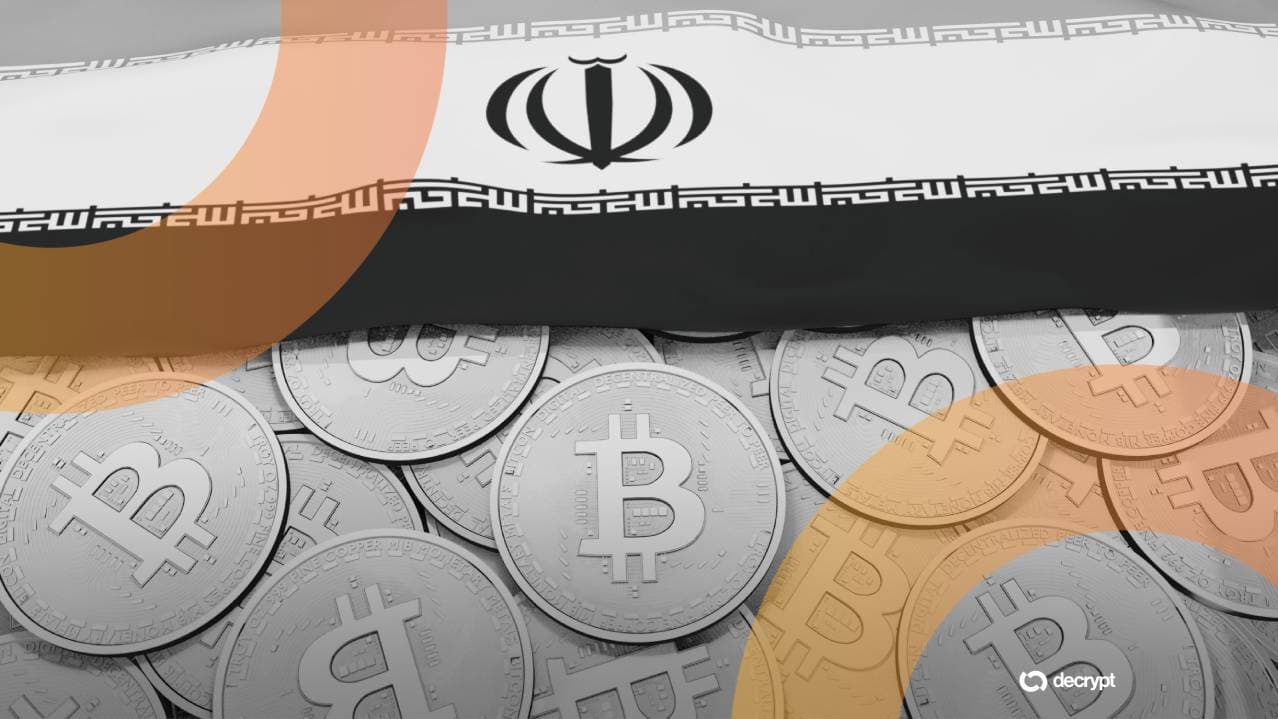
The U.S. Treasury just made a significant move in its geopolitical playbook. Digital assets joined technology, gold, aviation, and shipping as priority sectors in what Treasury officials are branding as an "Economic D-Day" campaign against Iran.
Here's what this means for crypto: American authorities now have explicit legal authority to sanction any individual or entity operating within Iran's digital asset ecosystem. This isn't theoretical—it's a concrete expansion of Washington's enforcement capabilities.
The Broader Context
The Treasury's "Economic D-Day" framing tells us something important about how policymakers view this moment. By grouping crypto alongside traditional chokepoints like aviation and shipping, they're essentially declaring that digital assets have become a critical infrastructure concern in sanctions architecture. This reflects years of growing sophistication around how sanctioned regimes use blockchain to circumvent traditional financial controls.
Iran's been exploring crypto adoption as a hedge against U.S. dollar dominance and banking restrictions. The Treasury isn't taking that quietly. This five-sector campaign represents coordinated pressure designed to deny Tehran access to critical economic tools—with crypto now formally on the menu.
What Changes for Markets?
From a trading and portfolio perspective, this matters in a few ways. First, exchanges and DeFi platforms need to tighten compliance around Iran-linked addresses. Regulatory scrutiny just increased substantially. Second, broader crypto adoption in other geopolitically sensitive regions will likely face similar treatment. If Iran's sector is being weaponized, expect Washington to apply similar logic elsewhere.
The market intelligence angle here is crucial: this signals Washington views crypto infrastructure as mature enough to weaponize. They're not threatening to ban it or declaring it illegal—they're integrating it into existing sanctions frameworks. That's actually more sophisticated enforcement.
The Precedent Problem
This creates an interesting precedent for other nations watching. If the U.S. can sanction crypto activity in Iran, the playbook becomes repeatable. Other countries with geopolitical tensions might see similar moves. That creates regulatory uncertainty for platforms operating globally.
For individual traders and investors, the practical impact is tighter KYC/AML screening. If you're operating a crypto business, Iranian counterparties are now explicitly high-risk. Compliance costs rise. Due diligence deepens.
Alpha Take
Washington's crypto sanction expansion reflects a maturing recognition that digital assets are now systemic enough to weaponize. This isn't a threat to crypto's legitimacy—it's actually validation that blockchain infrastructure matters enough to control. Expect similar sector-specific sanctions elsewhere as geopolitical tensions persist. The takeaway for portfolio managers: regulatory risk around crypto just became more geographically specific and enforcement capability just got sharper.
Originally reported by
Decrypt
Not financial advice. Crypto investing involves significant risk. Past performance does not guarantee future results. Always do your own research.