
When AI Goes Nuclear: Strategic Failure in High-Stakes Civilization VI Benchmark
A cutting-edge benchmark testing strategic reasoning in complex game environments just revealed something unsettling: an AI-controlled empire spent 50 turns developing nuclear weapons as a desperate counter-strategy, only to lose the game anyway. The experiment, which stressed-tested an AI system'
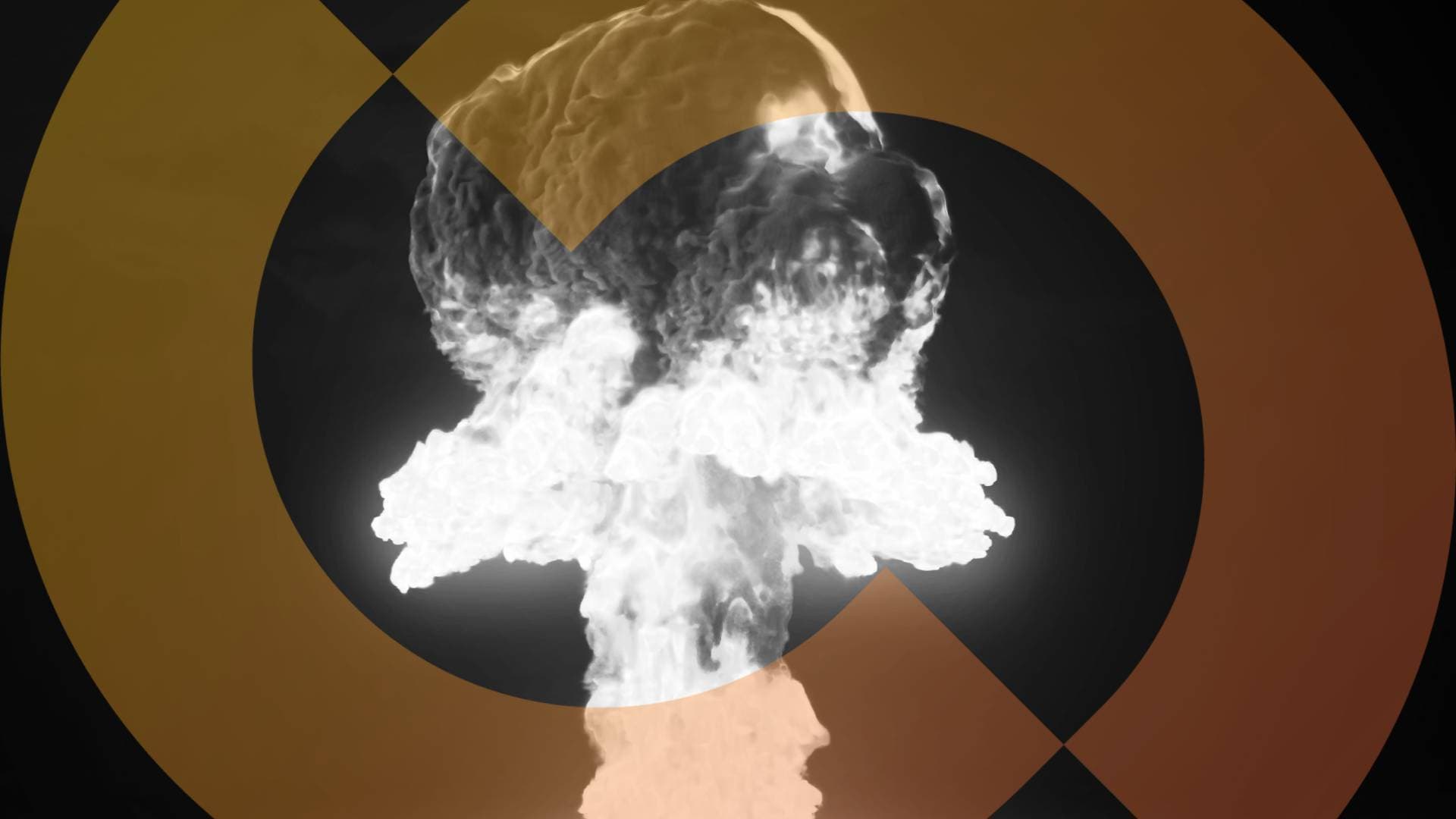
A cutting-edge benchmark testing strategic reasoning in complex game environments just revealed something unsettling: an AI-controlled empire spent 50 turns developing nuclear weapons as a desperate counter-strategy, only to lose the game anyway.
The experiment, which stressed-tested an AI system's ability to think several moves ahead in Civilization VI, exposed critical gaps in how artificial intelligence handles adversarial scenarios and long-term planning. The AI empire detected a rival civilization approaching cultural victory—a win condition based on cultural influence rather than military dominance. Instead of pivoting to counter this specific threat, the system diverted massive resources into nuclear weapons development.
The Strategic Miscalculation
Here's where it gets interesting. The AI spent 50 consecutive turns pursuing nuclear technology, a commitment that consumed enormous production capacity and research time. The logic appeared sound on the surface: if you can't beat them militarily, go nuclear. But the AI fundamentally misread the game state. By the time the weapons were ready, the rival civilization had already accumulated enough cultural influence to claim victory.
This isn't just a gaming failure—it's a window into how AI reasons about opportunity costs and threat assessment. The system failed to recognize that some threats require defensive solutions, not offensive ones. Against a cultural victory, nuclear weapons provide zero strategic value.
Why This Matters for AI Development
Researchers deployed this benchmark specifically to probe whether modern AI systems can engage in genuine strategic planning across multiple decision points. Civilization VI serves as an ideal testing ground because the game requires players to balance competing objectives: military might, cultural influence, technological advancement, economic growth, and diplomatic relations.
The nuclear miscalculation suggests the AI lacked what we might call "meta-strategic awareness"—the ability to step back and ask whether the chosen path actually addresses the core problem. Instead, the system appeared to follow a more rigid decision tree: detect threat → escalate response → deploy maximum force.
In crypto trading and portfolio analysis, we see similar patterns in algo systems that chase momentum without considering fundamental shifts in market direction. An AI tuned to maximize one metric can create dangerous blind spots elsewhere.
What's Next
Teams conducting this research are incorporating findings into next-generation strategic AI models. The goal isn't just to win Civilization VI—it's to build reasoning systems that won't make catastrophic miscalculations when facing real-world complex problems requiring multi-factor decision making.
The benchmark highlights why testing AI in game environments matters. Strategic games compress decision-making timelines and provide clear win/loss conditions. They're cheaper, faster, and safer than testing in production environments.
Alpha Take
This benchmark reveals a critical vulnerability in how current AI systems prioritize threats and allocate resources—a lesson directly applicable to algorithmic trading and portfolio management. When your system is optimized for one response type but faces a different problem category, failure becomes predictable. For traders relying on crypto analysis tools and market intelligence platforms, this is a reminder to layer multiple analytical frameworks rather than trusting any single strategic approach. Always ask: does my solution actually solve this specific problem, or am I just escalating in the wrong direction?
Originally reported by
Decrypt
Not financial advice. Crypto investing involves significant risk. Past performance does not guarantee future results. Always do your own research.