
When Crypto Self-Custody Gets Too Risky: Why Bitcoiners Are Rolling Dice on Private Keys
The crypto self-custody landscape is shifting in real time, and it's forcing a fundamental reckoning among Bitcoin holders about how to actually keep their assets safe. We're seeing a peculiar trend emerge: bitcoiners are literally turning to randomized methods—dice rolls, coin flips, and other ph
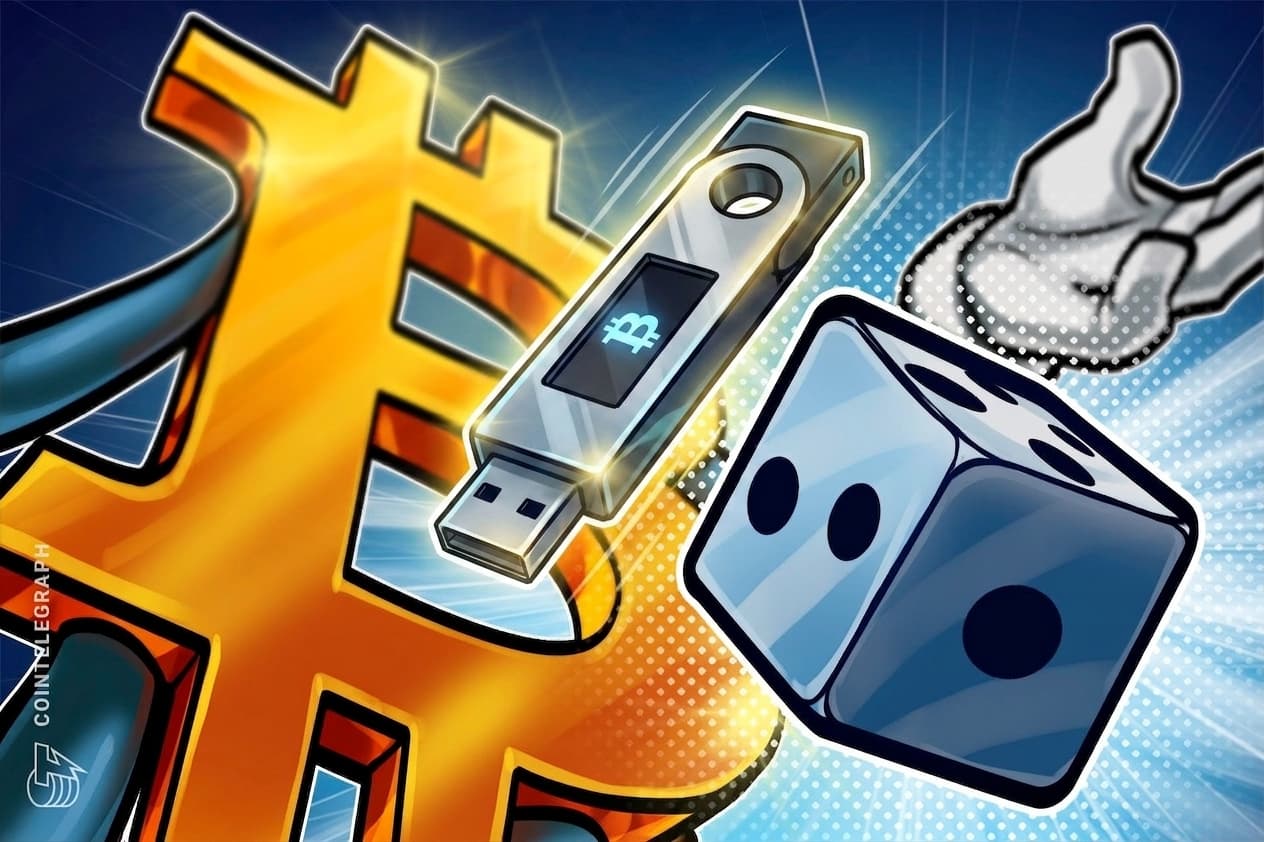
The crypto self-custody landscape is shifting in real time, and it's forcing a fundamental reckoning among Bitcoin holders about how to actually keep their assets safe.
We're seeing a peculiar trend emerge: bitcoiners are literally turning to randomized methods—dice rolls, coin flips, and other physical randomization techniques—to generate private keys and seed phrases. This isn't some fringe movement. It represents a calculated response to an ecosystem where the traditional approaches to self-custody have become increasingly precarious.
The Self-Custody Crisis Nobody's Talking About
The problem is multifaceted. Hardware wallet vulnerabilities have become more sophisticated. Supply chain attacks have proven themselves a genuine threat, not theoretical. Software-based key generation faces persistent malware and compromise risks. Meanwhile, the average bitcoiner lacks the technical infrastructure to verify their tools' integrity—and frankly, most don't have the resources to audit code either.
This is where the dice throw methodology gains traction. By using verifiable randomness from physical sources, bitcoiners can theoretically eliminate digital attack vectors entirely. You can't hack a dice roll. You can't compromise a physical coin flip through a remote exploit. It's analog security in a digital age, and for many in the community, it represents the only trustworthy pathway to generating truly private keys.
Market Dynamics Tell a Different Story
Meanwhile, the trading data paints an interesting picture about where actual bitcoin volume is concentrating. We're watching futures markets absolutely dwarf spot trading—with leveraged positions sometimes reaching eight times the volume of physical bitcoin transactions. This disconnect matters because it reveals where the real action is happening: not with bitcoiners securing self-custody holdings, but with traders chasing volatility through derivatives.
The Binance Bitcoin volume ratio hitting record levels shows us that institutional and retail traders are increasingly comfortable with futures exposure over direct bitcoin holdings. This bifurcation creates different incentive structures. Traders optimizing for short-term gains operate in a completely different universe than bitcoiners focused on long-term custody.
The Irony Is Sharp
Here's what strikes us about this dynamic: while some bitcoiners are literally going analog—rolling dice to secure their private keys—the broader market is going the opposite direction, embracing digital leverage and synthetic exposure. Both approaches reflect the same underlying reality: the crypto ecosystem's infrastructure isn't solving for security in a way that satisfies everyone.
The dice-throwing bitcoiners are choosing verifiable randomness over trust. The futures traders are choosing leverage over possession. Neither group is confident in the traditional infrastructure, just for different reasons.
Alpha Take
We're watching two parallel movements unfold in bitcoin markets: hardcore custody advocates retreating to analog randomization methods while the majority of trading volume concentrates in derivatives. This reveals fundamental tension between the "not your keys, not your coins" philosophy and the market's preference for leverage and liquidity. Watch where institutional capital actually flows—that tells you more about crypto market maturity than any philosophical argument.
Originally reported by
CoinTelegraph
Not financial advice. Crypto investing involves significant risk. Past performance does not guarantee future results. Always do your own research.