
White House Flags Chinese AI Distillation Tactics as National Security Threat
The White House is escalating its stance against what it characterizes as covert technology theft targeting US AI leaders. US officials have formally accused Moonshot AI, a Chinese artificial intelligence company, of systematically distilling proprietary technology from Anthropic—the San Francisco-
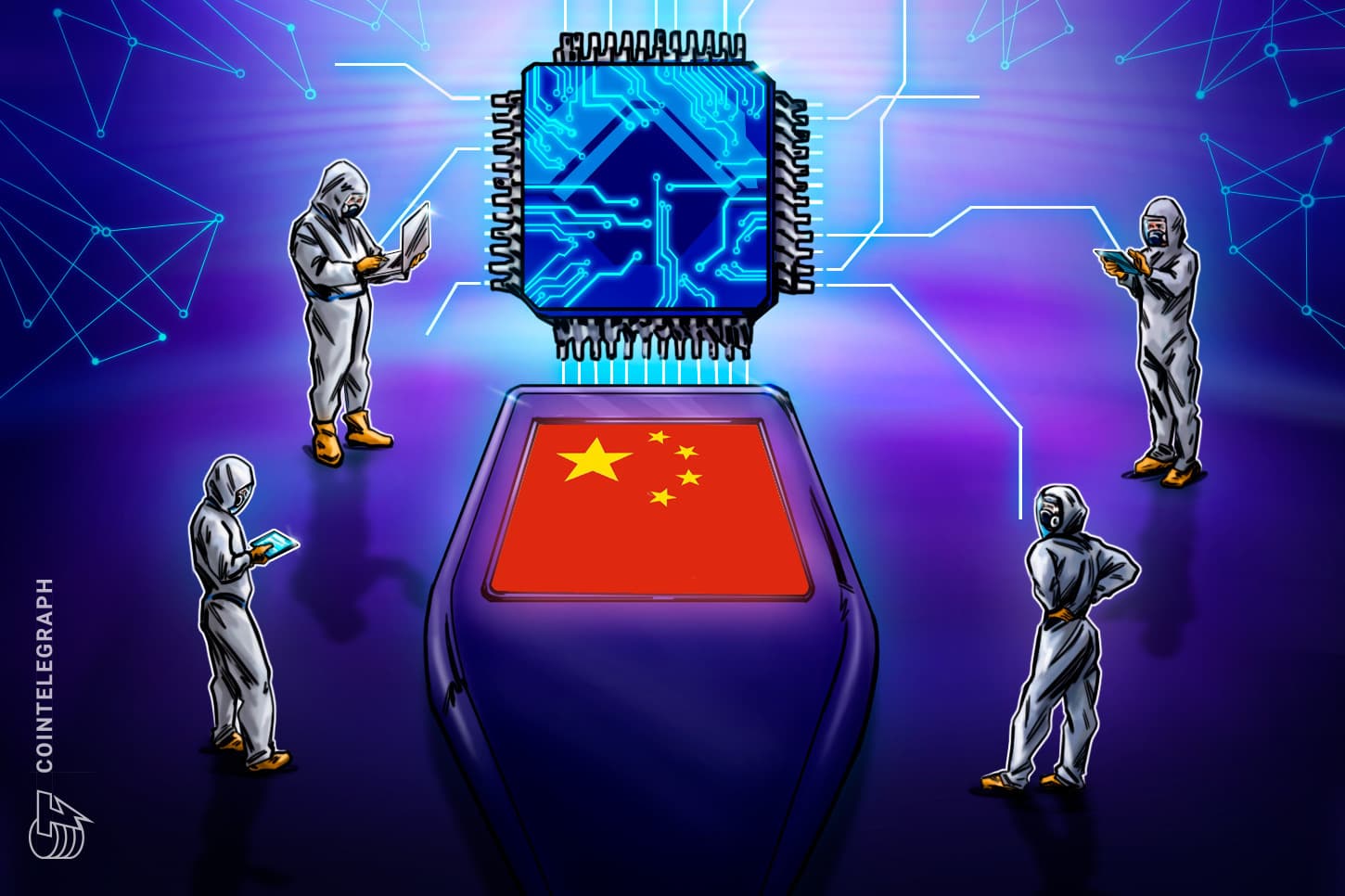
The White House is escalating its stance against what it characterizes as covert technology theft targeting US AI leaders. US officials have formally accused Moonshot AI, a Chinese artificial intelligence company, of systematically distilling proprietary technology from Anthropic—the San Francisco-based AI research firm behind Claude.
The allegation centers on industrial-scale model distillation, a technique where AI firms extract and compress knowledge from proprietary models to create cheaper alternatives. What makes this case different from typical competitive benchmarking: US authorities view it as state-coordinated intellectual property appropriation.
The Distillation Playbook
Here's what we're tracking: Moonshot AI allegedly reverse-engineered Anthropic's advanced language models to develop K3, its competing product. Model distillation itself isn't illegal—researchers do it all the time for efficiency gains. But the scale and intent matter. The White House assessment suggests this wasn't academic exploration; it's targeted economic espionage.
The timing is crucial. Anthropic has emerged as one of the few American AI companies genuinely competing with OpenAI for enterprise adoption. Claude's enterprise traction makes it a strategic target. By distilling Anthropic's capabilities, Chinese competitors could leapfrog years of R&D investment while sidestepping licensing agreements.
Sanctions and Export Controls on the Table
US officials aren't burying the lede. They're warning that Chinese firms engaging in large-scale, covert AI model distillation now face concrete consequences: targeted sanctions and expanded export restrictions. This signals a hardening stance beyond rhetoric.
What this means in practice: additional entities could land on the Bureau of Industry and Security (BIS) Entity List, cutting them off from US semiconductor access and dual-use technology. For companies like Moonshot AI—which relies on GPU supply chains—that's a material business threat.
The crypto angle here matters too. We've seen Chinese AI firms explore blockchain integration for model training and data validation. If these companies face tightening restrictions, it could redirect capital and talent flows in the emerging crypto-AI intersection, particularly around decentralized model training.
Broader Pattern Recognition
This isn't isolated. The White House has been systematically restricting US technology access to Chinese competitors since 2022. From semiconductor export controls to NVIDIA's AI chip limitations, the pattern is clear: technological bifurcation between US and Chinese AI development is now official policy.
For portfolio managers tracking crypto and emerging tech, this matters. Companies building decentralized AI infrastructure or blockchain-based model training systems could benefit from American investment redirects. Simultaneously, any project relying on Chinese AI partnerships faces regulatory headwinds.
The accusation also highlights why model ownership and licensing structures will determine AI winners in 2024-2025. Anthropic's proprietary architecture becomes defensible intellectual property, which institutional buyers increasingly value.
Alpha Take
The White House's escalation signals AI technology is now classified alongside semiconductors in strategic competition. This creates real business consequences for Moonshot AI and potentially other Chinese AI firms, while validating Anthropic's defensible market position. For traders: watch for expanded BIS Entity List announcements and monitor how crypto-AI infrastructure projects respond to restricted technology flows. This regulatory tightening could accelerate adoption of decentralized AI alternatives, particularly among US-based portfolio companies facing Chinese technology barriers.
Originally reported by
CoinTelegraph
Not financial advice. Crypto investing involves significant risk. Past performance does not guarantee future results. Always do your own research.