
White House Signals Major Friction Over CLARITY Act Revisions as Vote Deadline Looms
US prosecutors are pushing for modifications to the CLARITY Act, but they're running headlong into resistance from the Biden administration's crypto team. A White House crypto adviser flatly stated the proposed changes were "not even close" to the administration's position, according to a report—in
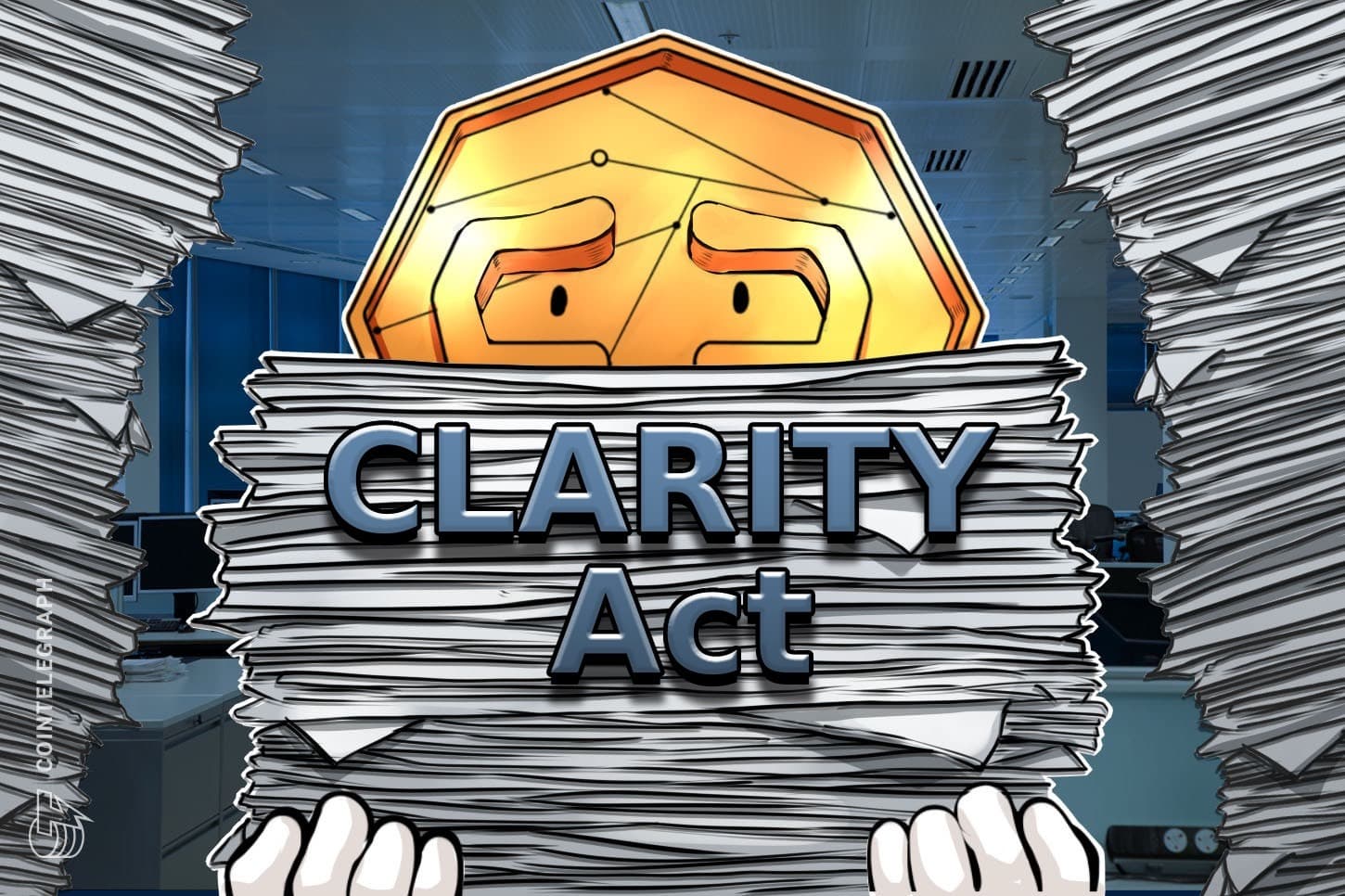
US prosecutors are pushing for modifications to the CLARITY Act, but they're running headlong into resistance from the Biden administration's crypto team. A White House crypto adviser flatly stated the proposed changes were "not even close" to the administration's position, according to a report—indicating serious discord over the bill's future direction.
The Core Conflict
The CLARITY Act has been one of the most anticipated pieces of crypto legislation in Congress, designed to clarify regulatory authority over digital assets. However, the prosecutors' proposed amendments are creating friction at a critical moment. With the voting window narrowing, the gap between what prosecutors want and what the administration supports has become a major stumbling block.
The White House crypto adviser's blunt assessment signals that compromise won't come easy. This kind of public pushback from the administration is significant—it means we're likely looking at either a watered-down version of CLARITY or continued gridlock.
What's Actually at Stake
The disagreement hinges on how aggressively regulators should be empowered to oversee crypto markets. Prosecutors typically favor stronger enforcement mechanisms and clearer authority to pursue bad actors in the bitcoin and ethereum space. The administration's position, meanwhile, appears to favor a lighter regulatory touch that won't stifle crypto innovation.
This tension reflects a broader debate within Washington: Should policy prioritize investor protection through stricter rules, or should it prioritize market development by keeping regulatory frameworks flexible? For traders and portfolio managers, the answer directly impacts which assets face compliance pressure and which operate in a more permissive environment.
Timing Matters
The narrowing voting window adds urgency to these negotiations. Congress works on deadlines, and CLARITY won't get another chance if it fails this cycle. That pressure should theoretically force both sides toward compromise, but the adviser's comments suggest those talks aren't progressing smoothly.
What happens next will shape crypto market intelligence for the next several years. If prosecutors' amendments pass, we'd expect tighter scrutiny on decentralized finance (DeFi) protocols, staking platforms, and other gray-area crypto services. If the administration's position holds, we'd likely see a more developer-friendly regulatory environment.
Why This Matters for Your Trading
Market participants should be watching this closely. Regulatory clarity is one of the most powerful macro drivers for crypto asset prices. Major institutional investors won't increase their bitcoin and ethereum allocations until they understand the legal landscape. Every signal from these negotiations moves the needle on market sentiment.
The fact that consensus is breaking down—rather than converging—suggests CLARITY could emerge much different than expected. That uncertainty typically creates volatility, which means opportunity for traders who understand the nuances.
Alpha Take
The White House's public rejection of prosecutors' proposed changes signals this bill faces significant turbulence before any final vote. Watch for whether either side budges or if Congress tries force a compromise—that'll determine whether crypto gets meaningful regulatory clarity or stays in legal limbo. For portfolio holders, this remains a top-tier macro risk to monitor given its potential impact on ethereum, bitcoin, and the broader market's institutional adoption trajectory.
Originally reported by
CoinTelegraph
Not financial advice. Crypto investing involves significant risk. Past performance does not guarantee future results. Always do your own research.