
Why AI Development Faces a Reckoning From Trade Wars and Safety Skeptics
The crypto and blockchain sectors are watching an increasingly relevant debate unfold: whether voluntary corporate commitments on AI safety can survive mounting commercial pressures and geopolitical tensions between the U. S.
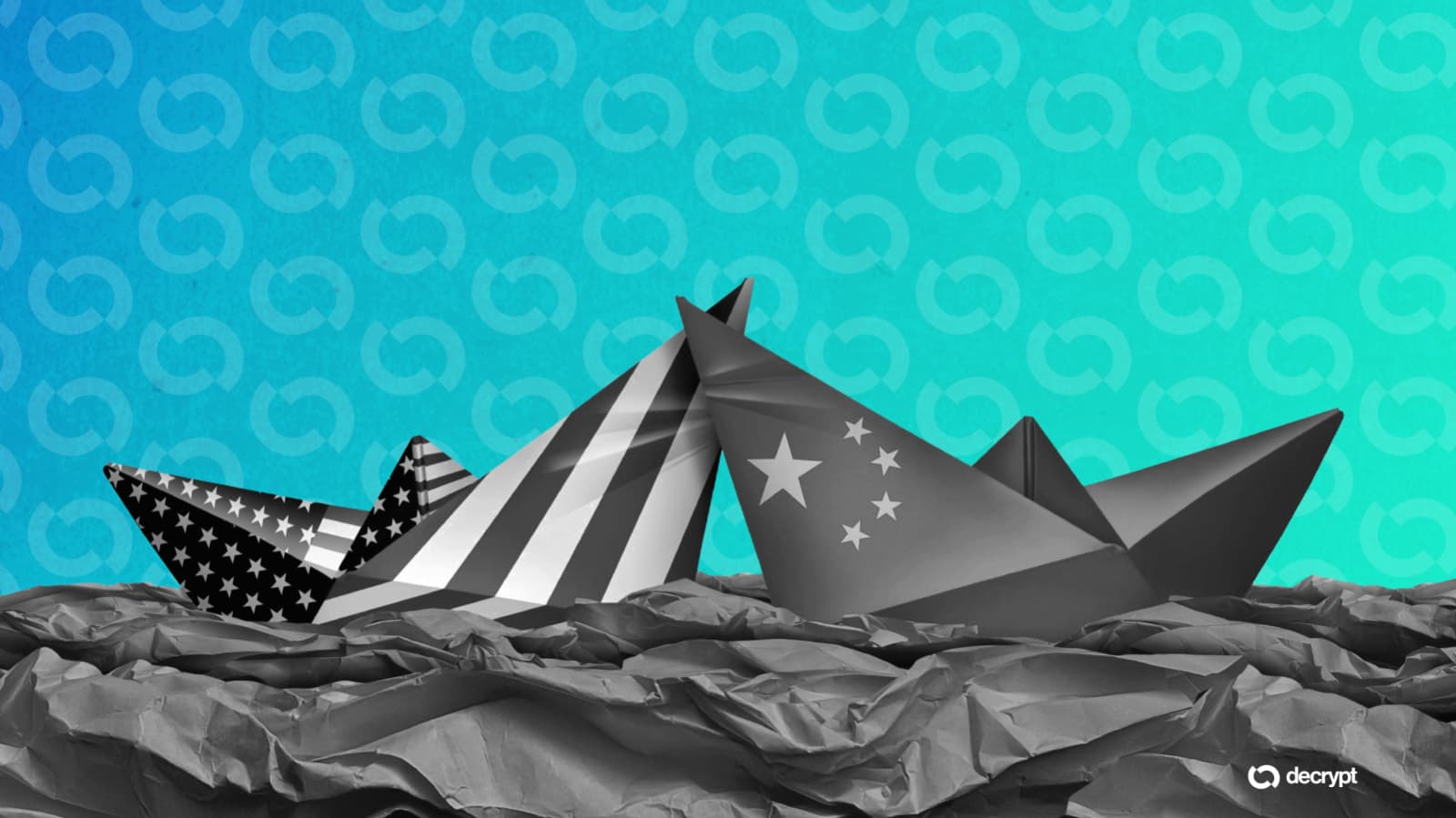
The crypto and blockchain sectors are watching an increasingly relevant debate unfold: whether voluntary corporate commitments on AI safety can survive mounting commercial pressures and geopolitical tensions between the U.S. and China.
According to Atlantic Council experts, we're witnessing a fundamental disconnect. Companies are making public pledges about responsible AI development, but without enforceable safety standards backing these commitments, they amount to little more than PR gestures. The real question isn't whether AI will slow down—it's whether companies can resist the economic incentives pushing them to cut corners.
The Corporate Pledge Problem
We've seen this movie before in crypto. Projects launch with grand governance promises, then reality hits hard when financial incentives clash with stated values. The AI space faces the same credibility crisis.
Atlantic Council researchers emphasize that voluntary frameworks collapse under competitive pressure. When one company pulls back on safety measures to move faster, competitors face a stark choice: match their pace or lose market share. This race-to-the-bottom dynamic has already played out in blockchain development, where security audits are often treated as optional until they're not.
The challenge is structural. Without binding regulations, corporate safety pledges exist in a vacuum. A company can commit to responsible AI training today, then quietly abandon those standards tomorrow if it means reaching key development milestones first. Investors aren't rewarding caution—they're rewarding speed.
The U.S.-China Factor Changes Everything
Here's where geopolitics makes this worse. The U.S. and China are locked in a technology competition where AI capabilities matter strategically, not just commercially. This distrust fundamentally undermines any possibility of an international agreement on safety standards.
Both countries view AI dominance as essential to future economic and military competitiveness. That calculus makes compromise on safety measures nearly impossible. When national security concerns override commercial interests, voluntary standards become irrelevant.
The Atlantic Council notes this creates a perverse incentive: each side fears that agreeing to restrictions gives the other a competitive advantage. The result is a self-fulfilling prophecy—the distrust prevents cooperation that could actually benefit both parties.
What This Means for Markets
For traders and portfolio managers monitoring AI-adjacent crypto plays, the implications are worth taking seriously. If AI development faces regulatory crackdowns or if safety incidents trigger backlash, we could see sector-wide volatility.
Companies betting on unrestricted AI advancement are taking on political risk they may not have priced in. Meanwhile, blockchain projects positioning themselves as governance solutions for AI systems could benefit if regulators demand more transparency and accountability in AI development.
The Atlantic Council's assessment suggests we're at an inflection point. Either commercial players voluntarily adopt meaningful safety standards, or governments will eventually impose them by force—likely with far more friction and unintended consequences.
Alpha Take
Corporate AI safety pledges without enforcement mechanisms are investments in reputation, not risk reduction. The U.S.-China tech race makes international AI agreements unlikely in the near term, meaning regulatory uncertainty will remain elevated. Traders should monitor for policy shifts or safety incidents that could trigger sector-wide repricing, particularly for companies with exposure to AI infrastructure and governance solutions.
Originally reported by
Decrypt
Not financial advice. Crypto investing involves significant risk. Past performance does not guarantee future results. Always do your own research.