
Why Crypto Platforms Are Turning Pokémon Cards Into a Speculative Asset Class
Tokenized Pokémon card sales have exploded across crypto platforms over the past year, driven by speculative trading and automated gacha mechanisms that mirror gambling mechanics—though platforms carefully avoid using that terminology. The Boom Nobody's Talking About We're watching a fascinati
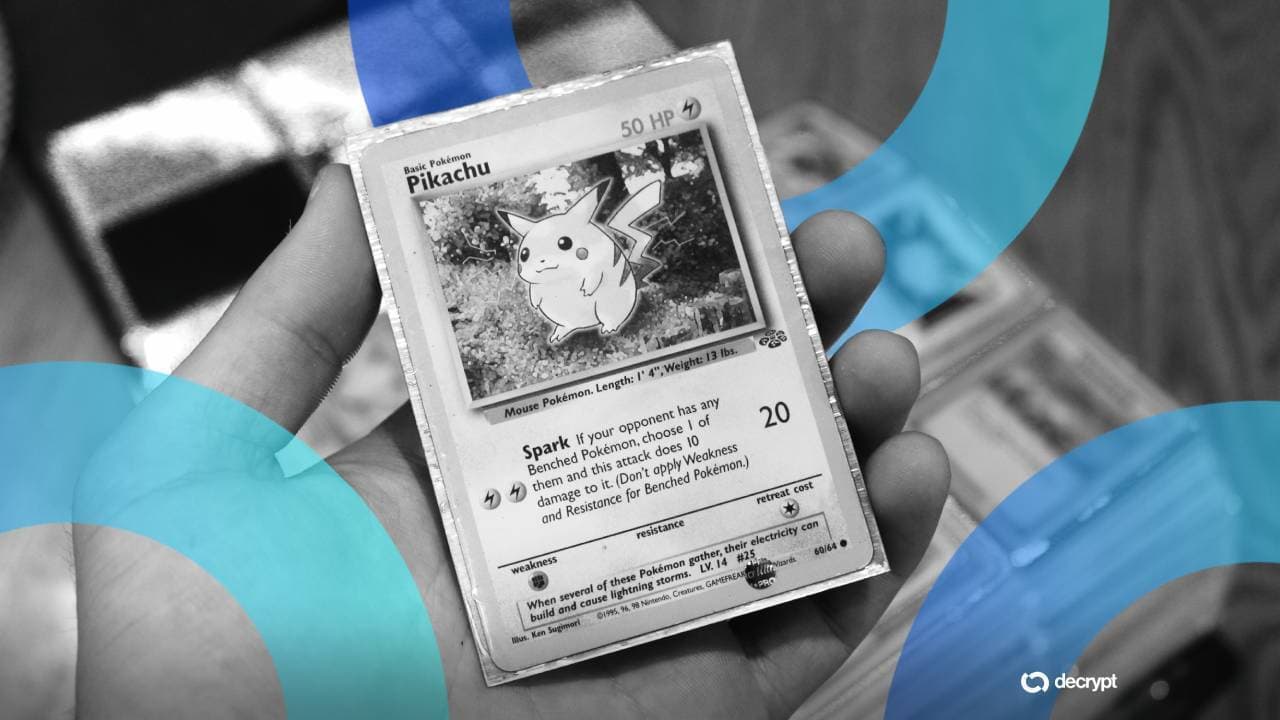
Tokenized Pokémon card sales have exploded across crypto platforms over the past year, driven by speculative trading and automated gacha mechanisms that mirror gambling mechanics—though platforms carefully avoid using that terminology.
The Boom Nobody's Talking About
We're watching a fascinating crossover happen in real-time: traditional collectibles meeting crypto infrastructure. Pokémon cards, long a niche hobby for collectors, have transformed into a liquid trading asset on blockchain-based marketplaces. The surge in volume is undeniable, but what's driving it reveals something deeper about how crypto platforms are reshaping speculation itself.
The mechanics are straightforward but addictive. Platforms allow users to purchase tokenized Pokémon cards or participate in what they call "drop mechanisms"—essentially loot boxes that dispense random cards with varying rarity levels. Users fund wallets, take chances, and hope to pull valuable cards they can immediately flip for profit on secondary markets. The entire feedback loop runs 24/7 without traditional trading hours or market closures.
The Terminology Game
Here's where it gets interesting from a regulatory perspective: platforms studiously avoid calling these mechanisms "gambling." Instead, you'll hear "gacha machines," "drops," "randomized distributions," or "surprise mechanics." It's clever linguistic gymnastics that lets platforms operate in gray zones while maintaining plausible deniability.
This distinction matters legally. Gambling carries regulatory baggage—licensing requirements, player protection rules, and restrictions on who can participate. By reframing the activity as speculative asset trading or collectible acquisition, these platforms tap into crypto's regulatory ambiguity. They're not casinos; they're digital marketplaces facilitating peer-to-peer commerce of tokenized assets.
Why This Matters for Crypto Market Intelligence
What we're really observing is the financialization of collectibles through crypto infrastructure. Blockchain provides liquidity, instant settlement, and 24/7 market access—features traditional collectible markets simply don't offer. But that accessibility cuts both ways.
The speculative pressure is intense. New participants treat Pokémon card acquisitions like crypto trading—watching price action, hunting for rare drops, and hunting quick exits. This transforms what started as a hobby market into a pseudo-gambling economy powered by cryptocurrency's permissionless infrastructure.
The volume surge also reveals investor behavior: when given a vehicle combining collectibles, randomness, and instant liquidity, retail participants will load the truck. There's genuine demand for Pokémon cards, sure, but the tokenized versions attract a different crowd—one chasing percentage gains, not nostalgic memories.
Alpha Take
The Pokémon card explosion on crypto platforms represents regulatory arbitrage in action—using blockchain's lack of oversight to operate what would face strict gambling regulations in traditional markets. Traders should recognize this sector's inherent volatility and speculative nature; these assets aren't backed by earnings or utility, just sentiment and rarity mechanics. Watch this space: increased regulatory scrutiny on gacha mechanics and tokenized collectibles could reshape the entire segment overnight.
Originally reported by
Decrypt
Not financial advice. Crypto investing involves significant risk. Past performance does not guarantee future results. Always do your own research.