
Why Crypto Traders Might Be More Honest With Humans Than AI
The psychology of deception just got a lot more relevant to how we interact with crypto trading algorithms and AI-powered market analysis tools—and a new study reveals something unsettling about our digital behavior. Research shows that people experience significantly less social pressure when dec
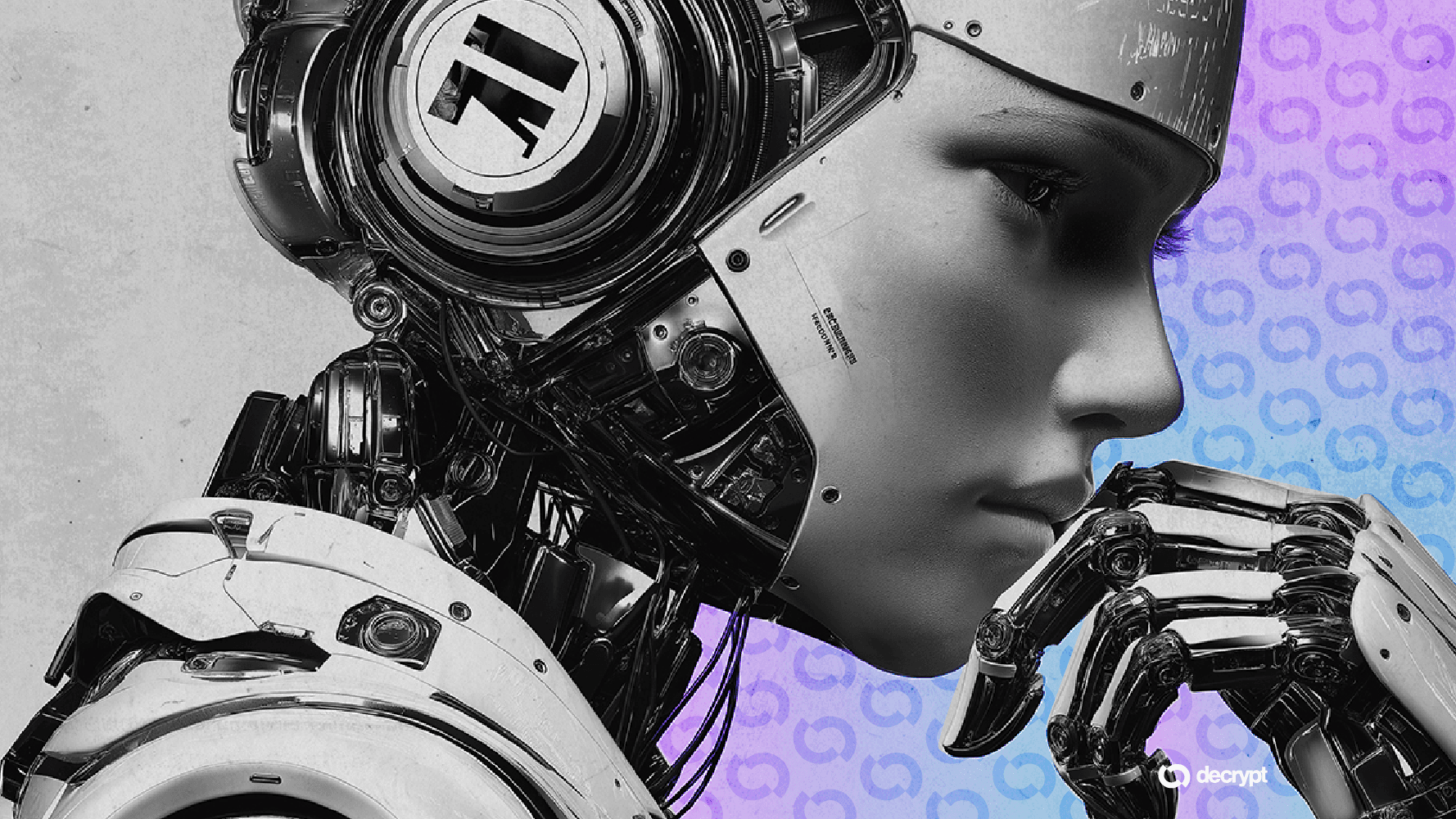
The psychology of deception just got a lot more relevant to how we interact with crypto trading algorithms and AI-powered market analysis tools—and a new study reveals something unsettling about our digital behavior.
Research shows that people experience significantly less social pressure when deceiving AI chatbots compared to interacting with humans. This distinction matters more than it might seem, especially in an industry built on trust and information asymmetry.
The Study: Human-Like Cues Matter
The research, which examined behavioral patterns across multiple interaction scenarios, found a clear pattern: when human-like social cues are present, dishonest behavior drops noticeably. Conversely, when those cues disappear—as they do with pure AI interfaces—people's willingness to lie increases substantially.
Think about what this means for crypto market intelligence. If traders are more prone to dishonesty when interfacing with AI systems versus human analysts, it suggests a fundamental breakdown in how we evaluate information quality. We're less inclined to self-police our behavior when we know a machine is on the receiving end.
Why This Matters for Crypto and Trading
The implications ripple through the cryptocurrency and trading ecosystem. AI chatbots have become ubiquitous in crypto—from trading bots to market analysis platforms to customer service interfaces. If users feel emboldened to misrepresent data, trading patterns, or their own positions when interacting with these systems, the quality of insights suffers.
When human-like social cues were present in the study, dishonest behavior was measurably reduced. This psychological pressure—the awareness that another conscious being will judge our actions—serves as a brake on deception. Remove that element, and the guardrails come off.
For portfolio managers and institutional traders relying on AI-powered market intelligence, this creates a thorny problem. How reliable is data flowing into these systems when users feel fewer consequences for providing false information? Whether someone's misrepresenting their trading positions, spreading disinformation about assets, or gaming metrics to manipulate algorithms, the lack of perceived social accountability matters.
The Bigger Picture
This research underscores why human oversight remains critical in crypto analysis and trading. Pure algorithmic systems, while efficient, operate on incomplete information when users don't feel socially accountable for their inputs. The most sophisticated trading and market analysis platforms recognize this and maintain human elements—whether that's analyst review, community reputation systems, or hybrid models that blend AI efficiency with human judgment.
The study effectively demonstrates that technology isn't neutral. The medium through which information flows shapes the information's integrity. An AI system collecting market data will receive different quality inputs than a human analyst gathering the same data.
Alpha Take
While AI-driven crypto market intelligence offers speed and scale advantages, traders should factor in this behavioral reality: people lie more to machines than to people. This means AI-only analysis pipelines may have built-in blind spots regarding data integrity. The most reliable market intelligence still incorporates human expertise as a guardrail against the deception gap. For serious portfolio decision-making, verify critical data through multiple channels—especially human-verified sources.
Originally reported by
Decrypt
Not financial advice. Crypto investing involves significant risk. Past performance does not guarantee future results. Always do your own research.