
Why DeFi Survivors from 2022 Are Finally Running Out of Runway in 2026
The DeFi graveyard keeps growing. Projects that weathered the Terra and FTX catastrophes in 2022 are now shutting down in 2026—but here's what's actually happening: this isn't industry consolidation.
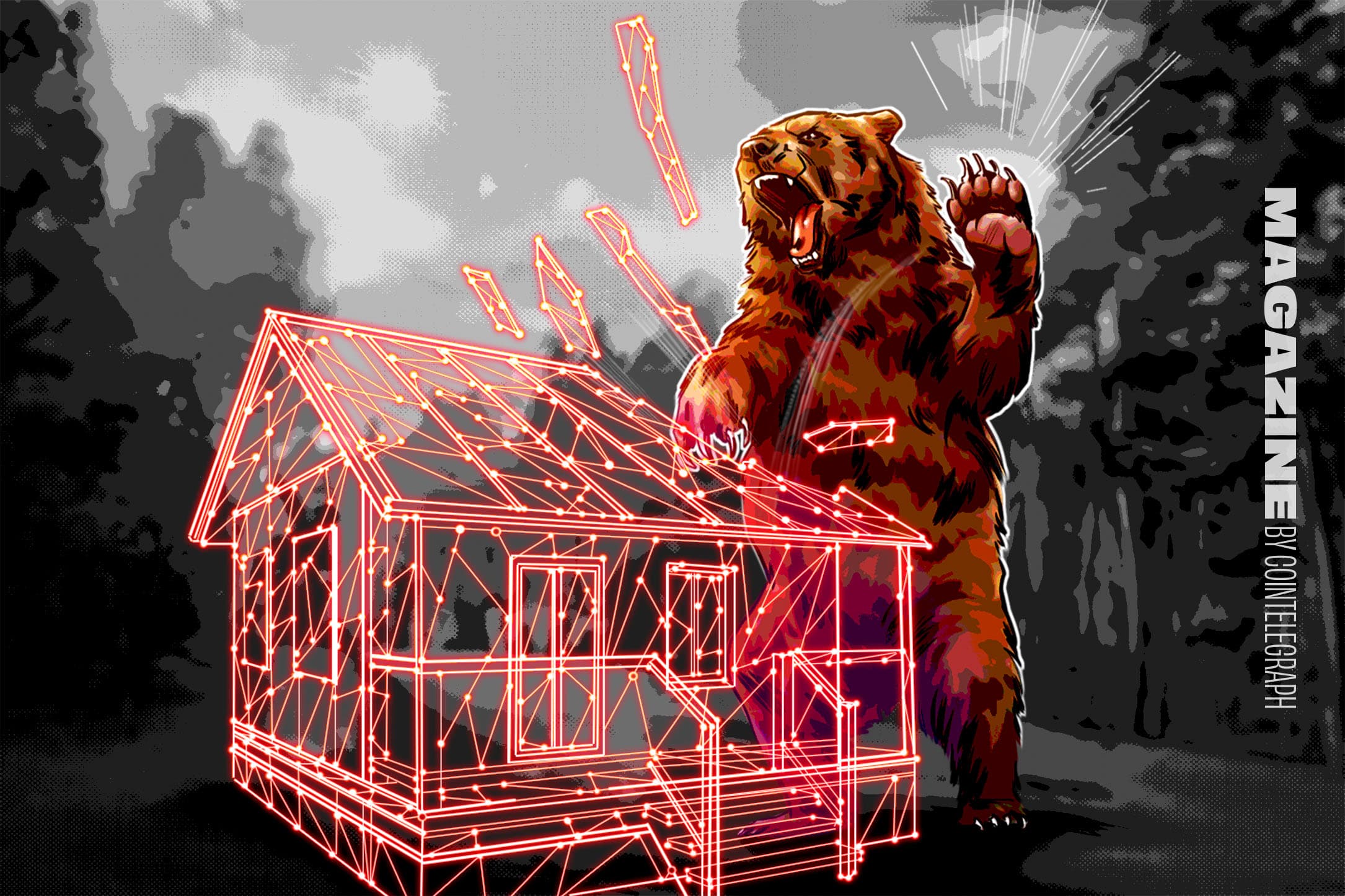
The DeFi graveyard keeps growing. Projects that weathered the Terra and FTX catastrophes in 2022 are now shutting down in 2026—but here's what's actually happening: this isn't industry consolidation. It's fragmentation.
We're watching a brutal culling unfold. These weren't weak projects that folded immediately after 2022's implosion. They held on through multiple market cycles, proved they had operational staying power, and still couldn't make it. That tells us something important about what happens when a sector loses its growth narrative.
The Real Killer: Runway Economics
The projects collapsing now didn't lack resilience—they lacked revenue models. Most DeFi protocols that survived 2022 did so by sitting on capital: accumulated TVL, token reserves, or venture funding that could sustain operations through a prolonged downturn. But capital reserves aren't infinite, and 2022-2026 stretched longer than most treasuries could handle.
What separates the dead from the living isn't superior technology or better teams. It's whoever had:
- •Sustainable fee generation models
- •Minimal ongoing operational costs
- •Revenue streams that actually scaled with market conditions
Projects betting on "wait for the bull market" eventually ran out of time. And here's the counterintuitive part: as the survivors dwindle, we're not seeing consolidation into mega-protocols. We're seeing further fragmentation instead.
Consolidation Isn't Happening—Here's Why
Conventional wisdom suggests that as weaker projects die, stronger ones absorb market share and users migrate to winners. That's not what's playing out in DeFi. Instead, when a protocol shuts down, its users don't necessarily funnel into the next largest competitor. They scatter.
This fragmentation happens because DeFi users are sticky but picky. A protocol's community is often bound by specific features, tokenomics, or governance structures that aren't easily replicated elsewhere. When one DeFi project dies, survivors don't automatically inherit that user base—they fragment across multiple protocols, some old, some emerging.
The 2022 crash eliminated projects built on unsustainable assumptions: infinite growth, irrational token economics, or reliance on continued venture funding. What we're seeing now is the second wave: projects that had solid fundamentals but couldn't generate enough revenue to justify their operational overhead in a prolonged bear market.
What This Means for Portfolio Strategy
This ongoing DeFi shake-out actually clarifies the landscape for serious investors. We can now identify which protocols have genuine revenue sustainability versus which are still burning through reserves on borrowed time. The winners aren't necessarily the largest by TVL—they're the ones generating consistent, defensible fee revenue.
For traders and portfolio managers, this is when you separate hype from fundamentals. A DeFi protocol's ability to thrive doesn't depend on the next bull run—it depends on whether it generates cash flow (fees, revenue) today. Projects still operating purely on token appreciation or external funding are just slower bankruptcies waiting to happen.
Alpha Take
The 2026 DeFi deaths aren't a sector maturation signal—they're a function of time wearing down projects with weak unit economics. Rather than consolidation, we're watching capital dispersion as survivors hold strong but don't absorb competitors. For crypto portfolio management, focus on DeFi protocols with auditable, growing fee revenue—those are the only projects likely to still be standing in 2027.
Originally reported by
CoinTelegraph
Not financial advice. Crypto investing involves significant risk. Past performance does not guarantee future results. Always do your own research.