
Why Web3's Financial Freedom Comes With a Built-In Wealth Filter
Here's the uncomfortable truth about decentralized finance: it's democratizing wealth creation for people who've already got capital to burn. ChangeNOW's Pauline Shangett cuts straight to it: when the same mistake repeats across multiple users, that's not individual incompetence—that's a design fl
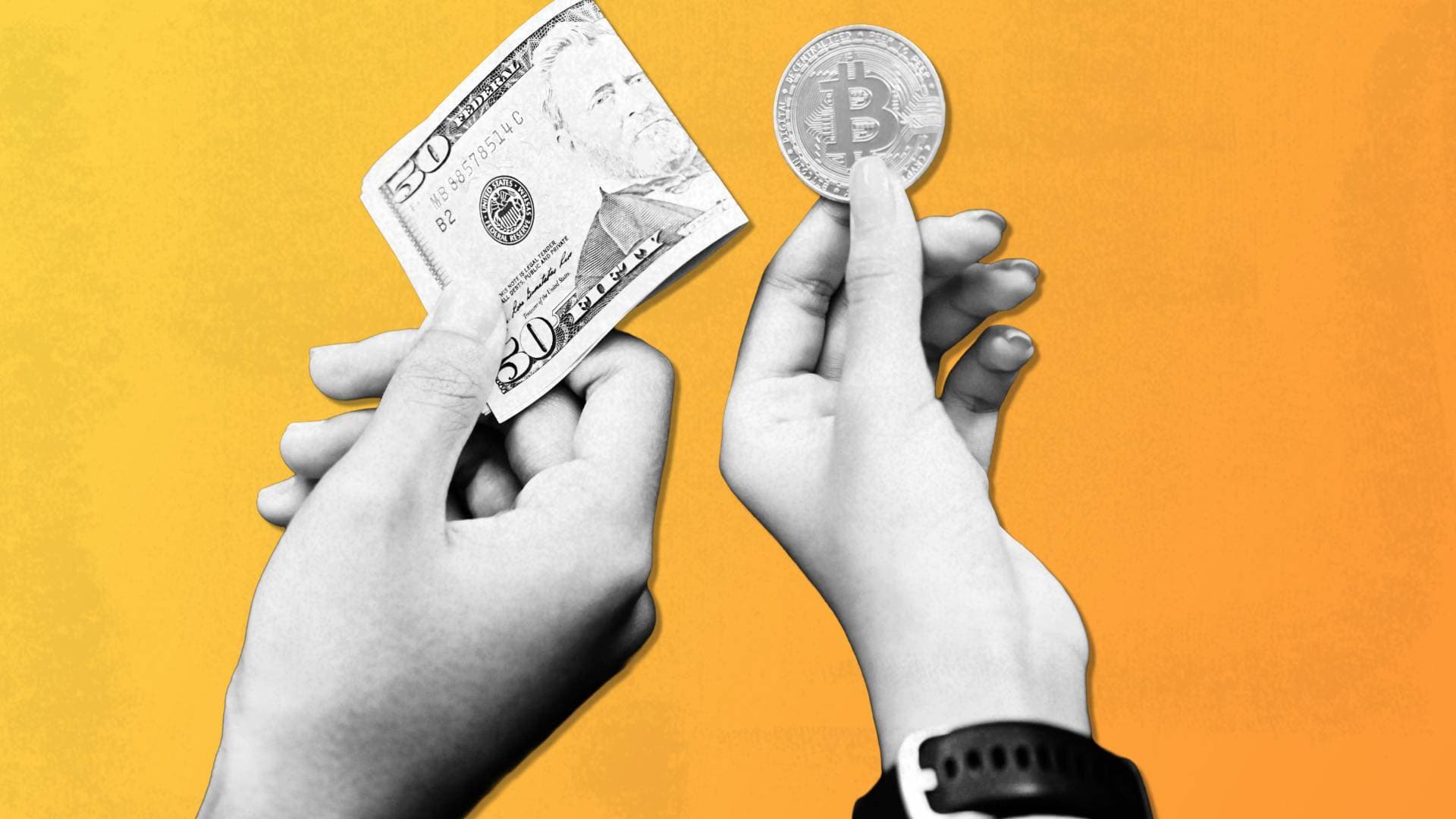
Here's the uncomfortable truth about decentralized finance: it's democratizing wealth creation for people who've already got capital to burn.
ChangeNOW's Pauline Shangett cuts straight to it: when the same mistake repeats across multiple users, that's not individual incompetence—that's a design flaw masquerading as user error. And in crypto, design flaws hit hardest on those with the thinnest safety nets.
The Cost of Friction
Web3 markets itself as the great equalizer. No gatekeepers. No intermediaries. Pure meritocracy. The reality? That frictionless experience only works if you can absorb losses without losing sleep.
Consider the typical DeFi interaction: one wrong address paste, one missed decimal point on an ethereum transaction, one smart contract interaction you didn't fully understand. In traditional finance, these mistakes get caught by compliance departments and reversal protocols. In Web3, they're permanent. Your crypto vanishes. No refund desk. No customer service line.
For someone with $100K in their portfolio, a $5K mistake stings. For someone betting their life savings, it's catastrophic.
Product Design Reflects Who It's Built For
Shangett's point deserves emphasis: recurring user errors aren't bugs, they're features of a system designed without guardrails. The bitcoin and ethereum ecosystems have built sophisticated architecture for traders and developers. But the UX largely assumes users already understand blockchain mechanics.
The crypto analysis community has documented this pattern repeatedly. Phishing attacks work because recovery mechanisms are non-existent. Bridge protocols fail because their complexity exceeds most users' comprehension. Wallet configurations demand technical literacy that excludes the exact demographic Web3 claims to serve.
Meanwhile, institutional traders have dedicated infrastructure: custodians, compliance frameworks, redundancies. They make mistakes too—but they have safety nets.
The Privilege Hidden in "Decentralization"
Financial freedom, as currently constructed in crypto, requires upfront freedom to fail. You need capital reserves to experiment with new protocols. Time to research market intelligence and trading mechanics. Resources to recover from inevitable losses as you learn.
That's not financial freedom. That's financial privilege dressed up in decentralization rhetoric.
The ethereum ecosystem, bitcoin's ecosystem, emerging Layer 2 solutions—they're all building legitimate infrastructure for portfolio management and trading. But the barrier to entry for "normal" financial operations remains steep. One mistake shouldn't potentially wipe out a user's entire position. Yet in crypto, it routinely does.
The protocols aren't designed for this outcome. They're designed for users sophisticated enough to avoid it.
Alpha Take
Web3's current friction works as an unintended filter, rewarding those wealthy enough to absorb losses while punishing everyone else. Until the crypto industry treats recurring user errors as design problems rather than user incompetence, financial freedom remains a luxury product. True democratization requires systems that forgive mistakes—or at minimum, make mistakes survivable.
Originally reported by
Decrypt
Not financial advice. Crypto investing involves significant risk. Past performance does not guarantee future results. Always do your own research.