
Zcash's 21% Pullback Masks Deeper Structural Strength—Here's the Case for Fresh Longs
ZEC has retreated 21% from its recent $1,698 peak, and the culprits are clear: ETF outflows and mounting concerns over a suspected North Korean theft that allegedly funneled stolen assets through Zcash's privacy-focused shielded pool. The narrative hit hard.
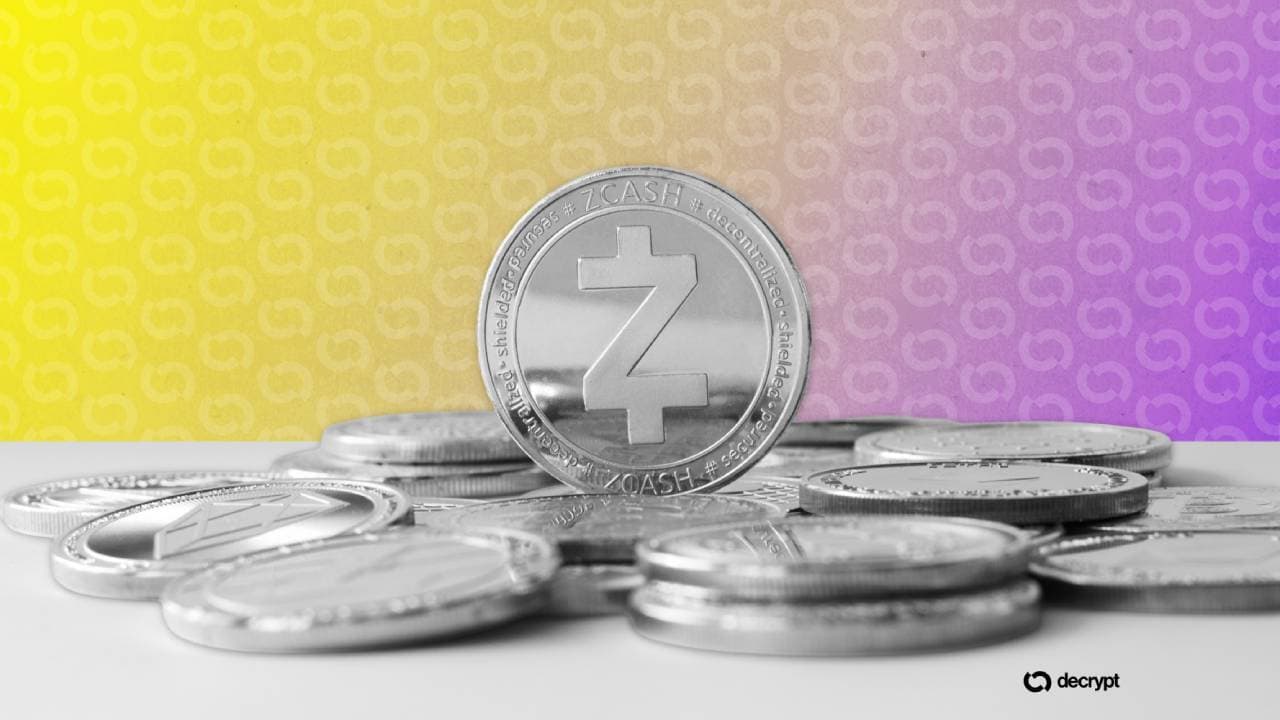
ZEC has retreated 21% from its recent $1,698 peak, and the culprits are clear: ETF outflows and mounting concerns over a suspected North Korean theft that allegedly funneled stolen assets through Zcash's privacy-focused shielded pool. The narrative hit hard. But before dismissing this privacy coin as cooked, we need to separate the noise from actual weakness.
The Immediate Pressure Points
The outflow story is straightforward. Zcash's institutional entry vehicle (the ETF product) has seen consistent redemptions as macro headwinds returned and risk-off sentiment gripped markets. That's mechanical selling, not fundamental deterioration.
The bigger headline—and the one spooking retail—is the North Korean connection. Reports indicate hackers linked to state-sponsored operations tunneled a substantial sum through Zcash's shielded pool, the privacy mechanism that makes ZEC controversial and simultaneously valuable. This isn't the first time. Sanctioned entities and bad actors have historically favored privacy coins, which naturally attracts regulatory scrutiny and mainstream skepticism.
Here's the critical bit: this validates what Zcash was designed to do. Whether we like it or not, the shielded pool works. For investors who view privacy as a legitimate feature—not a bug—this actually demonstrates product-market fit, even if the use case involves illicit activity. Regulators won't see it that way, though. Expect fresh waves of FUD around compliance.
Why the Dip May Represent Opportunity
The 21% drawdown has positioned Zcash at levels worth examining for traders with intermediate timeframes. Here's why:
Technical setup: Major support at previous resistance could provide a floor. Volume has been heavy on the way down, suggesting capitulation selling rather than slow-bleed weakness. That's typically how reversals form.
Narrative reset: Once the North Korea headlines fade—and they will—the actual story around privacy, regulatory clarity (or lack thereof), and Zcash's technical roadmap can re-dominate. Right now, we're in pure panic mode. Panic mode doesn't last forever.
Institutional entry point: Yes, there are ETF outflows. But institutional money doesn't flee permanently on FUD. Some of that redemption capital will rotate back once volatility stabilizes and risk appetite returns.
The Real Risk
Let's be honest: privacy coins live in a regulatory gray zone that could tighten. If governments coordinate a harder stance on mixing services or shielded transactions, Zcash faces genuine headwinds. That's not FUD—that's policy risk.
The other wild card is whether the North Korean angle triggers broader contagion selling. If exchanges face pressure to delist or restrict ZEC, the narrative changes materially. Monitor regulatory chatter closely.
Alpha Take
Zcash's 21% decline reflects temporary panic amplified by ETF mechanics and geopolitical FUD, not a broken asset. The shielded pool is working—it just worked for the wrong people. Traders watching for capitulation should monitor support levels closely; institutional money typically re-enters after panic phases. The real threat isn't price—it's regulation. Watch for policy headlines, not just chart action.
Originally reported by
Decrypt
Not financial advice. Crypto investing involves significant risk. Past performance does not guarantee future results. Always do your own research.